Local Faces. Lots of Laughs.
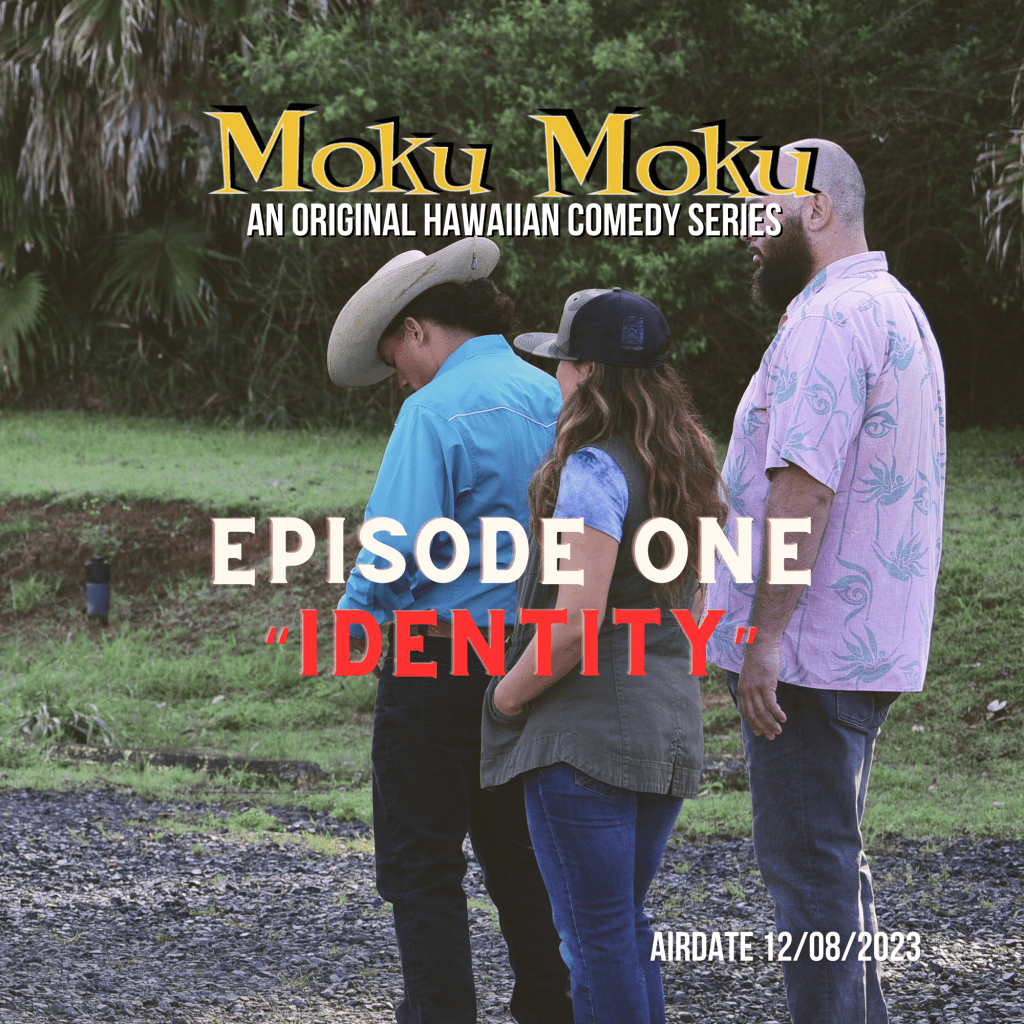
Episode 1: Identity – How does family history shape Hawaiian identity?
Summary: In the series premiere, Kimo enlists the help of his best friends Pili and Leilani to clean out his mother's garage. During the process, the trio discovers hidden mementos from Kimo's grandfather, revealing a complex, untold family history that forces Kimo to reevaluate his cultural roots.
Key Cultural Themes:
- Preservation of family history and artifacts.
- The complexities of Native Hawaiian identity.
- The foundational role of 'ohana (family) and community support.
Episode 2: Breaking Spam – How does the cost of living affect the price of Musubi in Maui?
Summary: Facing the harsh realities of the island's high cost of living, Pili realizes his local farm work income isn't enough to fund his comic book habit. As the price of the beloved local staple, Spam Musubi, skyrockets, Pili and Kimo must explore alternative, hilarious methods to generate fast cash.
Key Cultural Themes:
- The economics of late-stage capitalism in paradise.
- The cultural significance and rising cost of Spam Musubi.
- Agricultural wages and the working-class hustle in rural Hawaii.


Episode 3: Muk Muk Bang Bang – What happens during a Maui Mukbang competition?
Summary: After being provoked by a relentless internet troll, Pili prepares to enter an intense, food-heavy Mukbang eating challenge. However, the seemingly simple task of gathering local ingredients turns into a chaotic upcountry adventure when Leilani's truck unexpectedly breaks down.
Key Cultural Themes:
- Local Hawaiian food culture and culinary traditions.
- The intersection of modern internet culture with rural island life.
- Everyday transportation struggles in upcountry Maui.
Episode 4: It's My Party – What is a local upcountry Maui birthday party like?
Summary: The entire neighborhood gathers to celebrate Pili’s birthday, showcasing the vibrant, tight-knit community of upcountry Maui. The celebration is quickly derailed by boundary-pushing dares from Kimo, excessive drinking, and a sudden, island-wide power outage that complicates the night.
Key Cultural Themes:
- Authentic community gatherings and neighborhood dynamics.
- Testing the boundaries of long-term friendships.
- Dealing with rural infrastructure challenges (power outages).

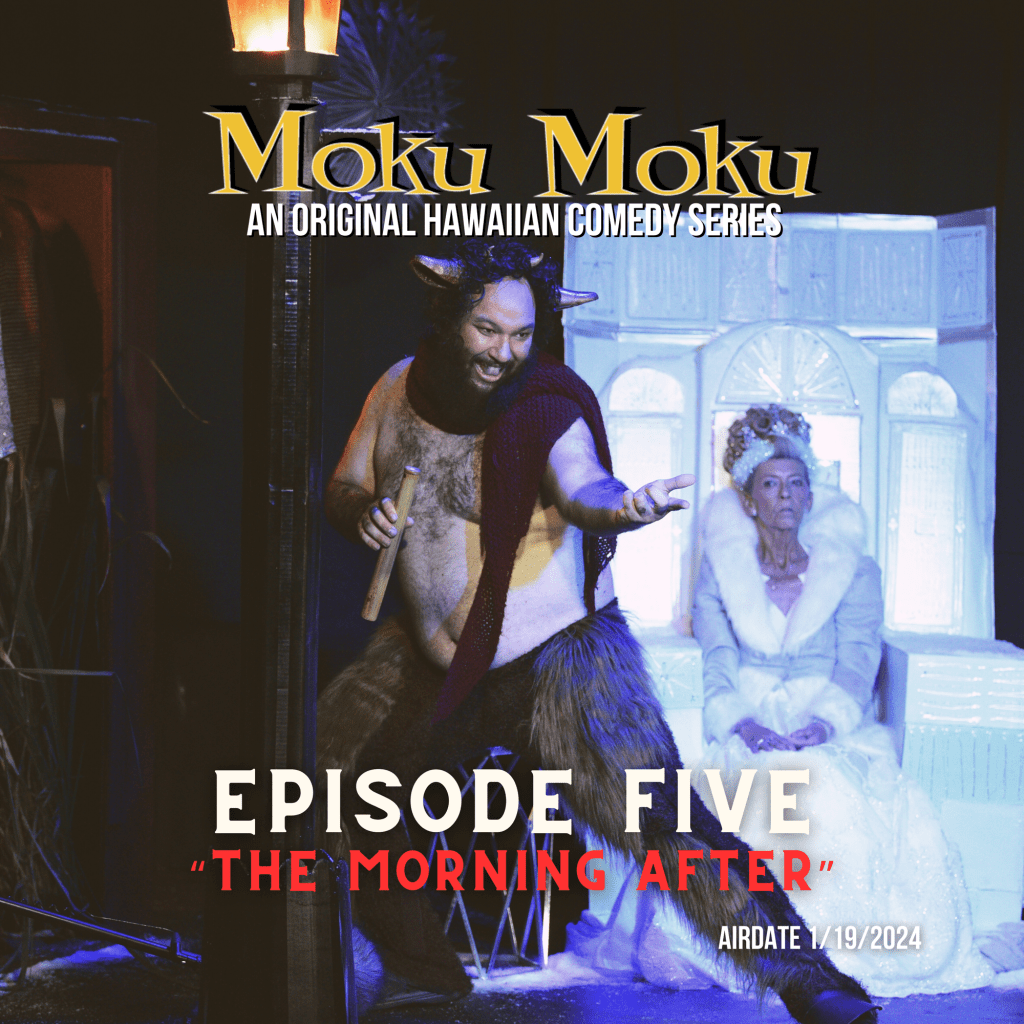
Episode 5: The Morning After – How does 'ohana step in after a wild party?
Summary: Dealing with the chaotic fallout from Pili's birthday party, Kimo relies on vivid dreams to process his memories and the changing dynamics of his friendships. Meanwhile, his Uncle arrives to help clean up the mess and deliver a much-needed, heart-to-heart conversation.
Key Cultural Themes:
- The vital role of Kupuna (elder) guidance and intervention.
- Processing mental health and shifting relationships.
- The communal responsibility of post-party cleanup.
Episode 6: Paradise Sold – Why do locals attend Maui timeshare presentations?
Summary: While visiting historic Makawao Town, the three friends are intercepted by an aggressive Outside Property Consultant (OPC). Tempted by the promise of an all-you-can-eat boat ride, they agree to endure a grueling timeshare presentation, highlighting the absurdities of the local tourism industry.
Key Cultural Themes:
- The daily realities of living in Makawao Town.
- The impact and aggressive tactics of the Maui tourism industry.
- The local hustle to take advantage of tourist-centric perks.

Latest posts
-

A Letter of Aloha and Applause to the Cast and Crew of Lilo & Stitch
The live-action Lilo & Stitch has achieved a historic $183 million domestically and $361 million globally, marking a significant milestone for Hawaiian storytelling. By authentically representing Hawaiian culture and employing local talent, the film serves as a vital reminder of the importance of preserving heritage and elevating indigenous narratives. Mahalo for this inspirational contribution.
-

The Show You Missed (But Still Have Time to Find)
Moku Moku is a groundbreaking show from Hawai'i that offers a fresh perspective on local culture, emphasizing heart, humor, and authenticity. Unlike typical portrayals of Hawai'i in Hollywood, it showcases everyday life, deep traditions, and relatable experiences, aiming to represent the true essence of the islands. The show resonates particularly with the Hawaiian diaspora, providing…
-

Through the Eye of a Needle: What It Really Takes to Bring TV to Life
Kawika Hoke, the showrunner of Moku Moku, reveals the hidden complexities behind creating a TV show, debunking the myth that it's easy. The production process took 4.5 years and cost $140,000 per episode, relying heavily on community support rather than studio funding. The show aims to authentically represent Hawaii's stories rather than catering to tourism.…